Interior Surfaces Prepared for Long-Term Use
Interior Finishing & Remodeling Services in Mahopac for damaged drywall, outdated trim, and worn surfaces that require professional restoration
Drywall cracks near door frames and ceiling corners signal settling movement that has stressed taped joints beyond their flexibility. Baseboards show gaps where wood has shrunk away from walls, and paint finishes have accumulated enough wear that fresh coats no longer hide the underlying damage. Richard Hardwood Flooring and Renovation provides interior remodeling and finishing work in Mahopac, including drywall repair, crown molding installation, ceramic tile application, and backsplash work for kitchens and bathrooms. The service addresses visible deterioration in living spaces where surfaces have aged past the point where simple touch-ups would produce acceptable results.
Interior finishing begins with repairing structural surface damage before applying decorative elements or final coatings. Drywall work involves cutting out damaged sections, securing new material, and finishing joints so repaired areas blend invisibly with surrounding walls. Crown molding and trim installation requires precise measurement and cutting to achieve tight joints at corners and along irregular wall surfaces. Tile and backsplash projects focus on layout that minimizes cuts and maintains consistent grout lines across the installation area.
Schedule a property evaluation to identify which interior surfaces need structural repair before finish work can proceed effectively.
How Proper Preparation Affects Finished Appearance
Surface preparation determines whether finish coats will look uniform or telegraph underlying imperfections through paint and tile. Drywall repairs require multiple compound applications with sanding between coats to achieve a surface that sits flush with the surrounding wall plane. Trim installation involves locating wall studs for secure attachment and using coping techniques at inside corners to maintain tight joints even as materials expand and contract with humidity changes. Tile work depends on substrate flatness, as variations exceeding one-eighth inch over a three-foot span cause lippage where tile edges do not align properly.
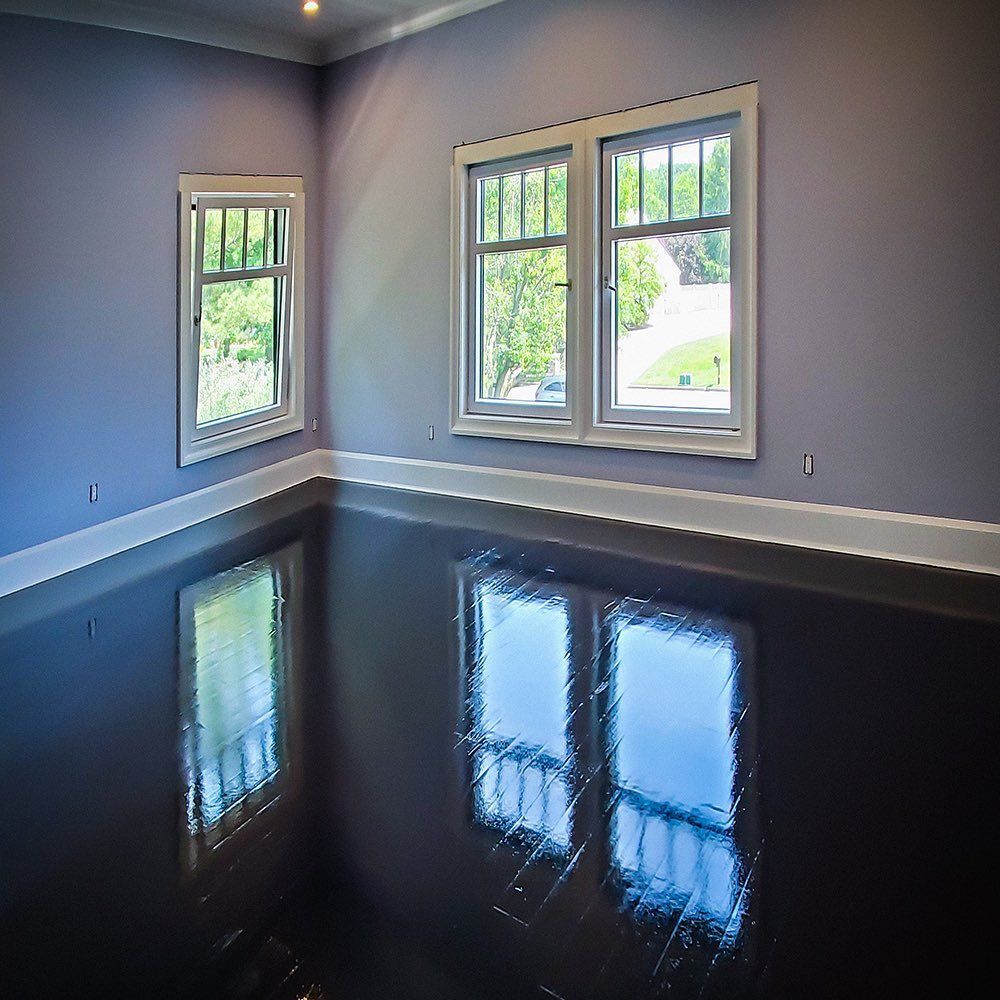
After the work is complete, walls appear smooth without visible seams where repairs were made or shadows that indicate uneven compound application. Crown molding follows ceiling and wall lines without gaps, even where room corners are not perfectly square. Painted surfaces show consistent sheen without patchy areas where old damage has been covered inadequately. Tile installations present uniform grout lines and lie flat without edges that catch your hand when you run it across the surface, which indicates the substrate was properly prepared before setting began.
Interior finishing services address cosmetic and surface-level repairs but do not include structural modifications like removing load-bearing walls or addressing framing issues that cause ongoing movement and cracking. Paint color selection and finish sheen are decided in consultation with you, and material choices for tile and backsplash work depend on your preferences balanced against practical considerations like moisture exposure and maintenance requirements.
Common Questions About Interior Finishing Work
Questions about interior remodeling often involve understanding which repairs are necessary before finish materials can be applied and what level of detail is achievable with different approaches.
What causes drywall cracks to reappear after repair?
Cracks return when the underlying movement that caused the original damage continues, which happens if settling is ongoing or if repairs used rigid materials that cannot flex with seasonal expansion and contraction rather than fiberglass tape and flexible joint compound.
How is crown molding fitted to walls that are not perfectly straight?
Molding is scribed to follow wall irregularities, which involves holding the piece in position and marking where gaps occur, then sanding or planing the back edge so the molding conforms to the actual wall surface rather than leaving visible spaces.
What preparation is required before installing kitchen backsplash tile?
Walls must be clean, flat, and free of loose paint, and any electrical outlets need to be positioned correctly since tile thickness will affect how flush cover plates sit, which sometimes requires extending outlet boxes before tile work begins.
Why do some painted surfaces show roller marks or uneven sheen?
Visible application marks result from using insufficient coats, overworking the paint after it begins to dry, or applying paint to surfaces that were not properly primed, which causes inconsistent absorption that creates shiny and flat areas within the same wall.
How does humidity in Mahopac affect interior finishing materials?
Seasonal humidity changes cause wood trim to expand in summer and contract in winter, which is why coped joints are preferred over mitered joints at inside corners, as coping allows movement without opening visible gaps the way miters do when wood shrinks.
Richard Hardwood Flooring and Renovation handles the surface preparation and detail work necessary for professional interior finishes in kitchens, bathrooms, and living spaces throughout your home. Arrange a consultation to review which rooms need attention and discuss finish options that match your expectations for appearance and durability.